AI Tech Observer

Series

Beyond Compute

A close look at how computing, energy, and networks shape the foundations of AI competition.

Series guide

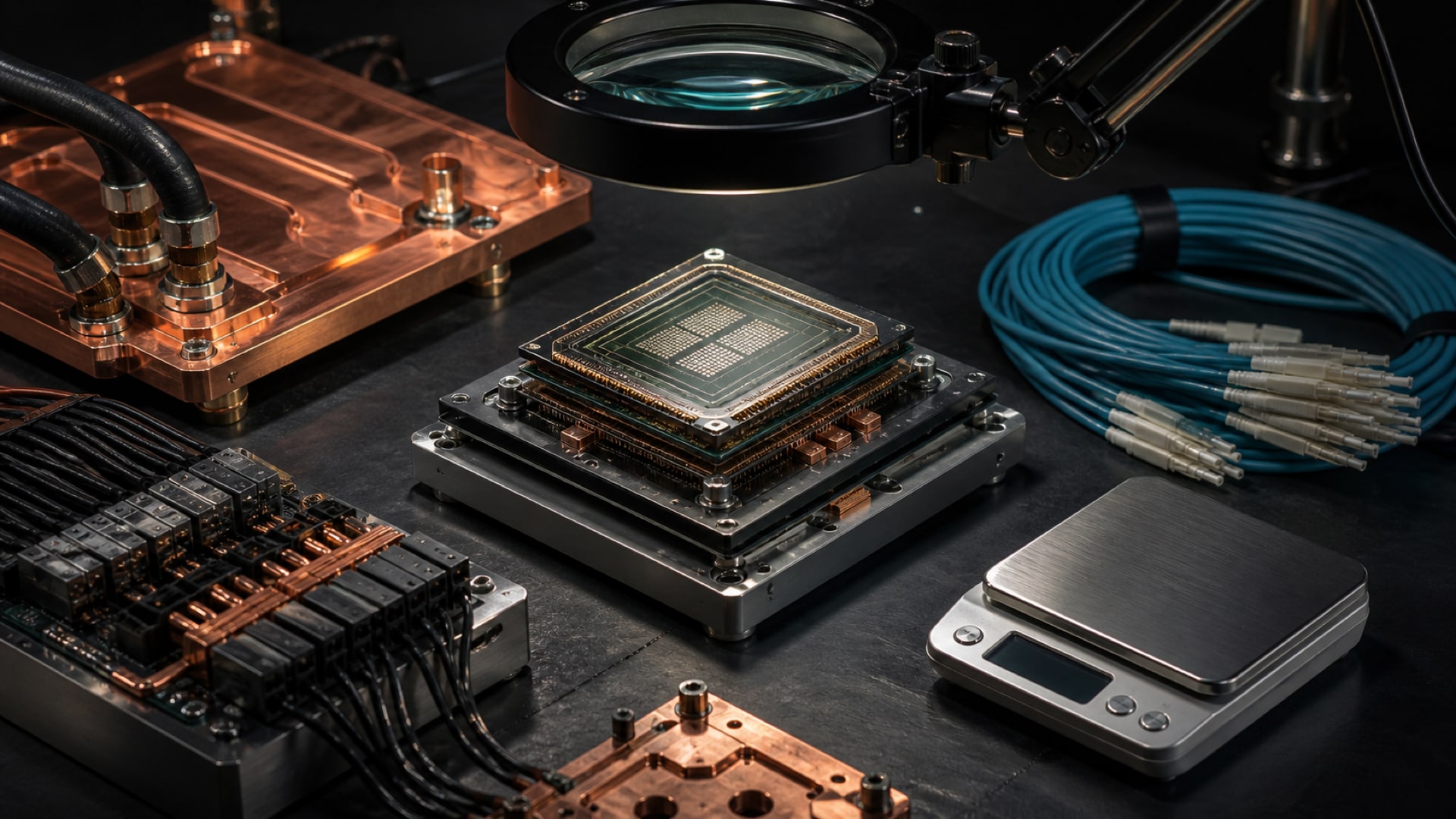
先进封装、内存、网络与冷却部件组成的无人物算力成本工作台

Infrastructure

What Actually Makes AI Expensive?

From final training runs to HBM, advanced packaging, networking, depreciation, utilisation, inference scheduling and customer total cost of ownership, this article maps where AI spending goes and why a lower unit price does not guarantee lower total expenditure.

AI 科技观察23 min read

Start with article 1

Article directory

  1. What Actually Makes AI Expensive?

    From final training runs to HBM, advanced packaging, networking, depreciation, utilisation, inference scheduling and customer total cost of ownership, this article maps where AI spending goes and why a lower unit price does not guarantee lower total expenditure.

    23 min read

    Read article
  2. The power order behind the expansion of computing power

    Starting from the difference between electricity and capacity, we track how power generation, transmission, grid connection, cooling and computing power scheduling jointly determine whether the model can continue to operate.

    16 min read

    Read article
  3. 算力堆到一起之后,瓶颈变成了网络

    机柜内每颗 GPU 有 1.8 TB/s 的互联带宽,跨出机柜的单端口速率是 800 Gb/s。从 scale-up、scale-out 到 scale-across,三层网络的落差决定了并行策略承受什么压力、以太网在 UEC 1.0 之后解决什么问题,以及跨数据中心训练能扩展到多远。

    19 min read

    Read article
  4. 买得到算力,买不到数据

    Google 一个月处理的 token 已是全人类公开文本存量的十倍以上。这个比较说明「数据不够」这四个字被混用了。数据约束分为存量、许可、生产、搬运四层:可训练文本按中位估计 2028 年见顶,但许可层的天花板已经先到;合成数据只在有验证器的地方成立;而在物理层,HDD 产能按日历年售罄,存力开始需要像电力一样提前锁定。

    20 min read

    Read article